I’m interested how research by academic historians reaches the average person . I’ve noticed an increasing number of media references to Lord Tweedsmuir’s role in the origins of Canadian multiculturalism.
Tweedsmuir, who had achieved fame as a novelist under his birth name John Buchan, was Canada’s Governor-General in the late 1930s. He used his largely ceremonial position to preach in favour of tolerance and the right of immigrants and First Nations to retain their cultural traditions.
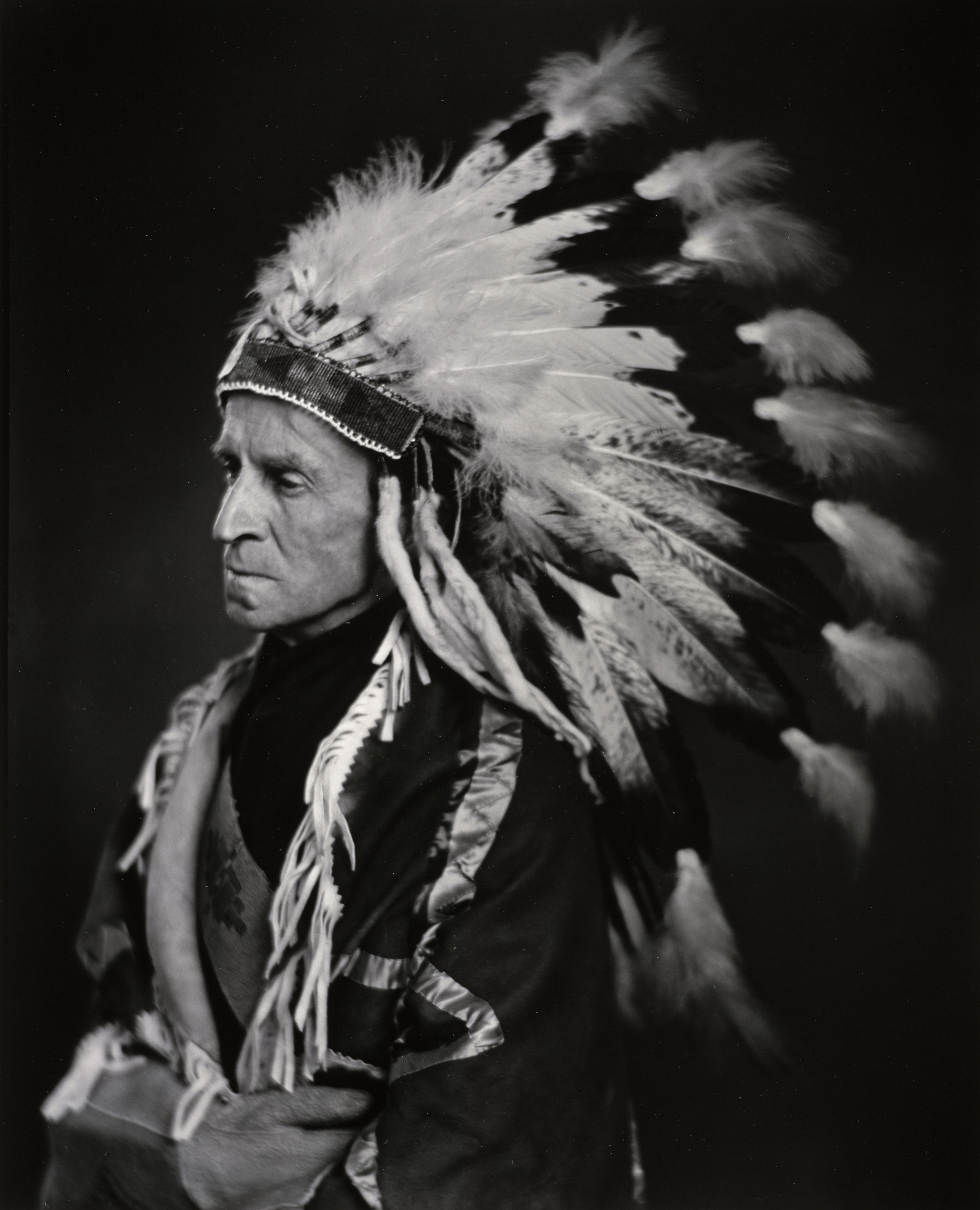
Lord Tweedsmuir
In many ways, his ideas were a precursor to the policy of official multiculturalism introduced by the Trudeau government in 1971, but the context was completely different. In 1971, racism and discrimination had become anathema throughout the Western world. Thanks to the huge worldwide cultural shift that took place in the 1950s and 1960s, lunch counters in the Deep South were desegregated and laws outlawing employment discrimination were passed in most Western democracies. The US, Canada, and Australia all shifted from racist to non-racist immigration policies. Historians have advanced competing explanations for this cultural shift: the Cold War, decolonization, revulsion at the Holocaust or a mixture of all three.
The 1930s, in contrast, were pretty much the peak of racist and ethnocentric thinking in the Western world. Racist and ethnic nationalist ideas were pretty common everywhere, even in those Western countries which remained democracies. Eugenics laws and quasi-mystical ideas about Aryan supremacy were widespread. Even Mackenzie King, Canada’s Liberal PM, opposed Jewish immigration because he was worried about the “admixture” or “alien blood” polluting Canada’s genetic stock. (It should be noted that while King was opposed additional non-Aryan immigration, he courted the votes of Jewish people and did not advocate doing anything to reduce Canada’s then existing Jewish population). Most Canadians in the 1930s were, at best, advocates of assimilation (e.g., residential schools for Natives and regular schools for immigrants designed to destroy their cultures) and at worst supporters of sterilization, exclusion, and deportation.
This context is what Lord Tweedsmuir’s advocacy of tolerance so striking.
In the 1930s, Tweedsmuir told an audience in rural Manitoba, “You will all be better Canadians for being also good Ukrainians.” Tweedsmuir also encourage First Nations people to retain their cultures, which flatly contradicted the assimilation agenda that the federal government was then forcing on the Natives. Tweedsmuir was truly a man ahead of his time.
Until a few years ago, nobody paid much attention to Tweedsmuir. Then a history professor named Peter Henshaw started published some articles about Tweedsmuir that were read and popularized by journalists. See here. Jason Kenney, the Immigration Minister, quoted Tweedsmuir in a speech in 2008. There is even a reference to Tweedsmuir in the new Canadian Citizenship Guide for immigrants. One of the problems with this guide is that while it mentions Tweedsmuir, who was a precursor of multiculturalism, but it doesn’t mention Trudeau, the Prime Minister who actually implemented the policy! But the interesting thing is that Tweedsmuir is mentioned at all.
Today’s Globe contains an article on religious minorities that quotes Tweedsmuir’s famous advice to the Ukrainians of Manitoba. See here.
Check out Henshaw’s research in : ‘John Buchan and the British Imperial Origins of Canadian multiculturalism’, in N. Hillmer and A. Chapnick, eds, Unfinished Business: The Making and Unmaking of Canadian Nationalisms in the Twentieth Century (Kingston: McGill-Queen’s, 2007).


Leave a Reply